
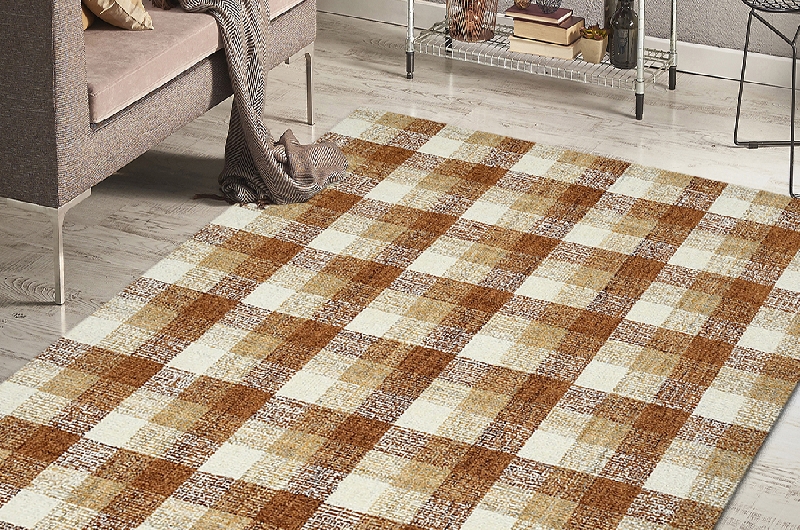
Is your rug looking dull, faded, or lifeless? Over time, sunlight, dust, and daily wear can cause rugs and carpets to lose their original color. The good news is—you can restore their brightness with simple cleaning and restoration techniques at home. Homeowners and rug lovers mostly face these same issues. Let's resolve it by following the pro tips to maintain its actual freshness that comes when it's being bought. Not only is proper washing a permanent solution to maintain carpet freshness, but its right placement and regular dusting also make this work very easy.
Let's go deep into this blog and describe how to brighten faded rugs and carpets at home with daily cleaning essentials. So without wasting time, let's delve into this blog and make your home carpet very shiny and attractive.
Before jumping into solutions, it’s important to understand why fading happens. Knowing the cause helps you choose the right faded rug solution.
Direct sunlight is the biggest culprit. UV rays break down dye molecules in wool, Large jute area rug and other fibers, leading to discoloration and uneven patches.
Heavy traffic areas experience fiber abrasion, which makes colors appear dull.
Harsh chemicals and incorrect detergents strip natural oils and dyes from fibers.
Dirt acts like sandpaper, slowly eroding the surface of the Extra large Indoor Outdoor area rug.
Unattended spills can alter dye structure and lead to faded patches.
Follow the smart steps to get your hand knotted area rugs and carpet actual color.
Many rugs don’t actually lose color they just look faded because of embedded dirt. A thorough cleaning can often restore carpet color without additional treatments.
You’ll need:
Mild liquid dish soap
White vinegar
Warm water
Soft brush
Clean towels
Process:
Mix a solution of warm water, a few drops of dish soap, and a tablespoon of vinegar.
Lightly scrub the rug surface with a soft brush.
Blot with a towel—never rub.
Allow it to air dry completely.
This alone can dramatically improve appearance and is the first step in carpet color revival.
This old yet effective method works well for wool and cotton area rugs.
Method:
Mix white vinegar and salt into a paste.
Apply gently on faded areas.
Leave for 20–30 minutes.
Rinse with a damp cloth and air dry.
This technique is especially helpful for faded wool rug restoration because it refreshes fibers without harming natural dyes.
Baking soda removes trapped odors and soil that contribute to dullness.
Sprinkle baking soda evenly.
Let it sit for 30 minutes.
Vacuum thoroughly.
This step helps if you’re wondering how to make carpet look new again without using chemicals.
For light-colored Persian rugs and carpets, diluted hydrogen peroxide can lift dullness. Mix one part peroxide with three parts water, apply lightly, and blot dry. This method aids in subtle rug color restoration where discoloration is mild.
If cleaning doesn’t help, the dyes themselves may have broken down. In such cases, re-dyeing is an effective faded rug solution. You can use fabric dyes specifically made for carpets and rugs.
Basic process:
Choose a dye matching the original color.
Apply evenly with a sponge.
Allow proper drying time.
This is one of the most effective ways to restore faded rug color when fading is extensive.
Steam opens up fibers and revives their texture, making colors appear richer.
Use a handheld steam cleaner.
Avoid soaking the rug.
Let it dry naturally.
This is a safe method for carpet color revival without chemicals.
For valuable rugs, antiques, or severe fading, professional services are recommended. Experts use specialized dyeing techniques for rug fading repair that are impossible to replicate at home or get best security guard agency in new delhi ncr .You can use fabric dyes specifically made for carpets and rugs.
Professional faded wool rug restoration often includes:
Color matching
Hand dye application
Fiber conditioning
UV protection treatment
After you restore faded rug color, prevention becomes key.
Rotate Rugs Regularly: Prevents uneven fading from sunlight.
Use Curtains or UV Window Films: Minimizes UV exposure.
Vacuum Weekly: Reduces soil abrasion.
Avoid Harsh Cleaners: Use only mild, rug-safe solutions.
Use Rug Pads: They reduce friction and extend life.
High quality Wool area rugs are more resilient but need careful handling.
Avoid excessive moisture
Use wool-safe cleaners
Never scrub aggressively
These steps are critical in long-term faded wool rug restoration and maintenance.
Sometimes restoration isn’t practical. Consider replacement if:
Fibers are severely damaged
Mold has developed
Dye loss is beyond repair
However, in most cases, proper rug color restoration can bring surprising results.
Avoid these errors:
Using bleach
Over-wetting the rug
Scrubbing harshly
Ignoring sun exposure
Using carpet shampoo machines on delicate rugs
These mistakes often make rug fading repair more difficult.
Faded rugs don’t have to be discarded. With the right care, cleaning, and restoration techniques, you can restore faded rug color and bring life back to your home decor. From simple vinegar treatments to professional dye restoration, there are solutions for every level of fading.
Whether you’re trying to figure out how to restore a faded rug, looking for ways to make rug color bright again, or searching for a reliable faded rug solution, the key lies in understanding the cause and choosing the right method.
A little care goes a long way in achieving effective carpet color revival and keeping your rugs looking vibrant for years. Connect with our Amerrugs team to know more details about wool rugs.


